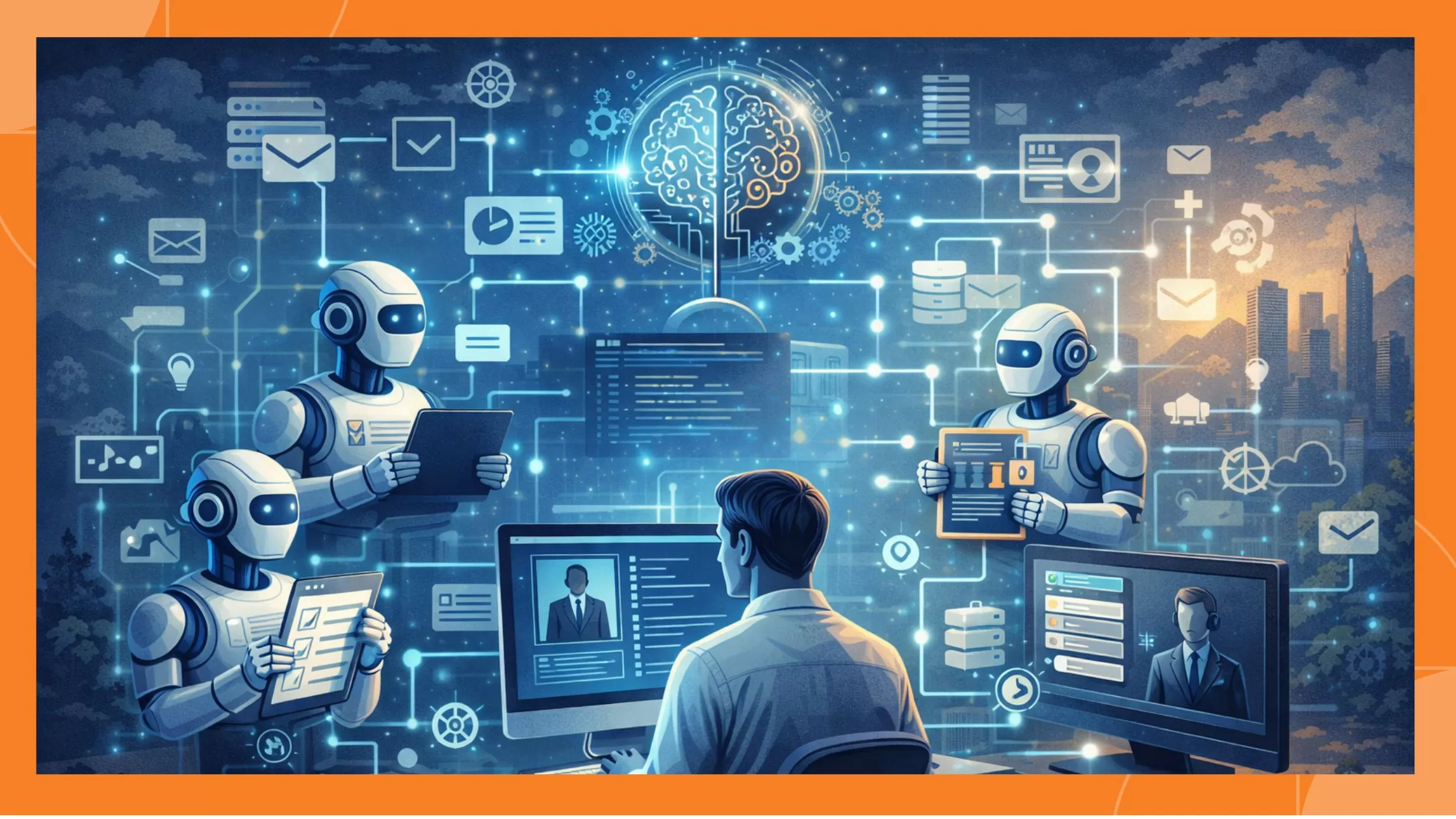
Artificial intelligence is entering a new phase with the rise of AI agents—systems that can plan, decide, and execute tasks with minimal human input. When people search for AI agents explained, they want to understand how these intelligent systems work and why they matter for modern businesses and digital workflows.
Autonomous AI agents can analyze data, interact with tools, and automate tasks like customer support and research. Professionals interested in learning these technologies can explore hands-on programs like AI LaunchPad from Academy360.
In this guide, you will learn how lakehouses work, compare Delta Lake and Snowflake lakehouse solutions, explore real-world use cases, and discover whether this architecture is right for your organization.
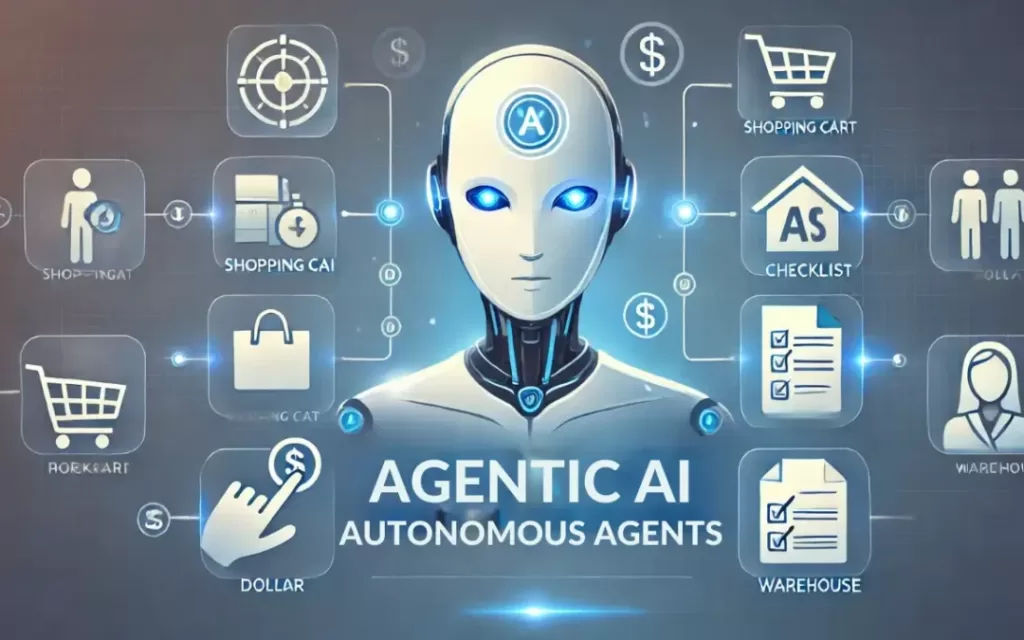
How Autonomous AI Agents Work
Understanding autonomous AI agents requires looking at the components that allow them to operate independently.
- Perception- AI agents gather information from sources such as user inputs, APIs, databases, and digital documents.
- Decision-Making- Using machine learning and reasoning models, the system evaluates available information and determines the best action.
- Action Execution- The agent performs tasks such as generating reports, answering queries, sending emails, or updating systems.
- Continuous Learning- Advanced agents improve over time by learning from interactions and feedback.
These concepts are commonly taught in introductory AI training programs like the AI LaunchPad, where learners practice real-world AI workflows.
Real AI Agent Examples
AI agents are already widely used across industries. Here are some common AI agent examples.
Customer Support Agents
Companies deploy AI-powered assistants to answer customer questions, resolve issues, and provide support 24/7.
Research Assistants
AI agents analyze documents, summarize research papers, and extract insights from large datasets.
Workflow Automation Agents
Businesses use AI agents to automate scheduling, reporting, and internal task management.
E-Commerce Recommendation Agents
Online platforms use AI agents to recommend products or content based on user preferences and behavior.
Understanding these applications is often the first step for learners exploring AI automation systems through structured AI courses and learning programs.
Benefits of AI Automation Systems
The growing adoption of AI automation systems is driven by several advantages.
- Increased Productivity- AI agents can complete repetitive tasks quickly, allowing employees to focus on strategic work.
- Reduced Operational Costs- Automation reduces manual effort and minimizes errors.
- Faster Decision-Making- AI systems analyze large datasets rapidly, enabling faster insights.
- 24/7 Operations- AI agents can operate continuously without interruptions.
Many professionals are learning these automation techniques through AI learning platforms like Academy360, which offer short, focused lessons designed for busy professionals.
AI Agents vs Traditional Automation
Feature | AI Agents | Traditional Automation |
|---|---|---|
Decision Making | Dynamic and AI-driven | Rule-based |
Learning | Can improve with data | No learning ability |
Adaptability | Highly adaptable | Limited flexibility |
Complex Tasks | Supports complex workflows | Mostly repetitive tasks |
This comparison highlights why organizations are increasingly investing in AI automation technologies.
Industries Using AI Agents
AI agents are transforming multiple industries.
- Healthcare – AI agents help analyze medical records and assist in diagnostics.
- Finance – Intelligent agents monitor transactions and detect fraud.
- Marketing – AI systems generate content and analyze campaign performance.
- Customer Service – Virtual assistants respond to customer queries instantly.
As AI adoption increases, professionals with AI skills are becoming more valuable in the job market.
Tools and Technologies Used to Build AI Agents
Developers use several technologies to build AI agents and automation systems.
Common tools include:
- Python programming language
- LangChain and AI orchestration frameworks
- API integrations with large language models
- vector databases for knowledge storage
- workflow automation tools
Many of these tools are introduced in beginner-friendly AI programs and workshops that focus on practical AI skills.
Learning AI Agents: 3-Month Roadmap
For beginners interested in working with AI agents, the following roadmap can help.
- Month 1– Learn AI fundamentals such as machine learning, prompt engineering, and automation concepts.
- Month 2– Explore AI frameworks and tools used for building automation workflows.
- Month 3– Build simple AI agent projects such as research assistants, workflow bots, or automation scripts.
Career Opportunities in AI Agents
As AI adoption grows, new career roles are emerging.
Popular career paths include:
- AI Engineer
- Machine Learning Engineer
- Automation Engineer
- AI Product Developer
Professionals with skills in AI automation systems and agent development are increasingly in demand across industries.
The Future of Autonomous AI Agents
The future of autonomous AI agents looks promising. Advances in artificial intelligence, computing power, and automation frameworks will enable these systems to handle more complex workflows.
Future AI agents may collaborate with other systems, manage entire processes, and assist organizations in decision-making. As businesses continue adopting AI-driven automation, AI agents will play a major role in shaping the future of work.
Ready to Master AI?
Build practical AI and automation skills with Academy360’s hands-on programs and get ready for the future of intelligent automation.
FAQs
An AI agent is a software system that can perceive information, analyze data, make decisions, and perform tasks automatically to achieve a specific goal.
Examples include customer support chatbots, recommendation systems, research assistants, and workflow automation agents used in businesses.
AI automation systems increase productivity by automating repetitive tasks, reducing operational costs, and enabling faster decision-making.
Chatbots mainly focus on conversation, while AI agents can perform broader tasks such as automation, analysis, and decision-making.
AI agents typically rely on machine learning, natural language processing, automation frameworks, and large language models.
Some AI agents improve through machine learning and feedback loops, allowing them to adapt to new tasks and environments.